Concrete steps construction in Cathedral City CA - solid steps that sit level
Are the steps at your door cracked, tipping or crumbling? We build new poured or precast concrete steps that sit level and shed water.
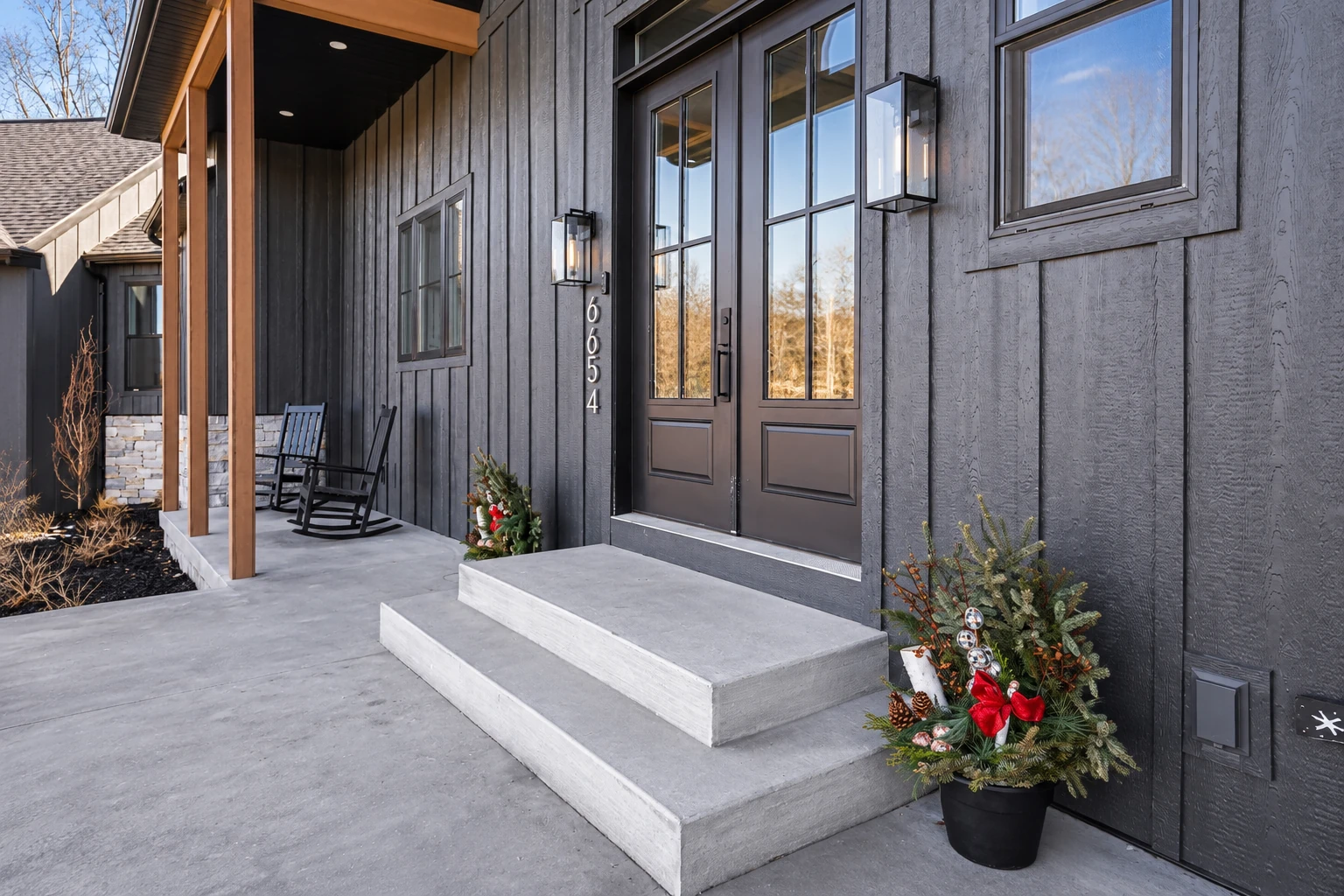
Poured or precast
We help you pick the type that suits your entry.
Ground dug and packed
We dig out the base and pack it before any pour.
Pour timed for heat
We pour at a cooler hour so the finishing goes right.
Walk-through at the end
We go over the finished steps with you in person.
What goes into building new concrete steps in Cathedral City?
Concrete steps construction in Cathedral City means building new steps up to your door, porch or patio, either poured on site or set as precast units, so you have a solid, even way in and out of your house.
Poured steps are formed and filled right at your entry. Precast steps are hollow units made ahead of time and easier to put together. Precast costs less, and poured costs more but can be built to a wider range of sizes, so your entry and your budget usually decide it. I'll walk you through both before you choose.
The price moves with the type of step, how many steps you need, how much ground work the entry takes and whether old steps have to come out first. The schedule turns on any permit and on the weather, because we pick a time of day that lets the crew finish without fighting the heat. If the job needs a permit, we handle the application and the inspections, and your written estimate gives you your own figure.
- Both step types explained before you choose
- A dug-out, packed base under the steps
- Treads that shed water away from your door
- A pour timed around the desert heat
How do you know your front steps need replacing?
It's worth a look once your steps start cracking, shifting or holding water, or when a new door or addition leaves you with no way up.
Cracks across the treads
A crack that keeps getting wider usually means the ground underneath has moved, not just the surface of the concrete.
Steps pulling away from the house
A gap opening between the top step and your wall usually means the steps are settling on a base that wasn't packed.
Treads that tip or sink
If one side of a step sits lower than the other, your footing gets less sure every time you use it.
Water sitting on the steps
Puddles on the treads or at the base mean the steps were set flat or toward the house instead of away from it.
Chipped or crumbling edges
Edges that flake or break off often point to a weak, dusty top, which happens when a pour dries out too fast.
A new entry with no steps
A new door, addition or raised patio often leaves a drop that needs proper steps built to meet it.
Get an estimate for your steps
Tell us how many steps you need and whether you lean toward poured or precast. I reply within one business day to set a visit, and the on-site estimate is free, with no obligation.
What we look at before building your steps
Before I suggest poured or precast, I look at what the steps will sit on, where the water runs and what they have to meet at your door.
The ground underneath
We check the subgrade, the soil your steps sit on, because a base that's only raked flat settles with the dirt. If the budget gets tight, I'd trim the finish before I'd trim the base.
Where the water goes
We watch how water comes off your roof and yard, then set the treads to drain away from your door so rain doesn't sit on them.
Where the steps meet the house
We check the slab or foundation the steps tie into. If they're part of new slab foundation building or foundation installation, we plan both together so they line up.
The old steps
If there are steps there now, we look at how they cracked or settled, because that usually tells us what went wrong underneath.
What to expect when we build your concrete steps
We plan the job around your entry, your budget and the weather, and I explain each choice before asking you to make it.
Call or message
You call or send us a message about your steps, and I get back to you to set a time to see them.
Visit and measure
I come out myself, measure your entry and listen to what you have in mind for the steps and how you use them.
Written estimate
You get an estimate written out in full, with the step type, the ground work and the price. Once you're ready, we take care of any permit the job needs.
Prep and pour
Our crew, led by our foreman, digs out and packs the ground, then pours early in the day. From May through September, the city's construction hours run 6 AM to 7 PM on weekdays and 8 AM to 5 PM on Saturdays, with none on Sundays.
Finish and walk-through
Once the steps are finished, we walk them with you and explain curing, the time concrete needs to harden before heavy use.
Why Cathedral City homeowners call us for concrete steps
I'd rather explain a choice twice than have you surprised by it later, so you'll know what we're building and why before we start. Satisfaction guaranteed on every job.
I measure and price it myself
I come out to see your entry and write the estimate, so the person pricing your steps is the one answering your questions.
In Cathedral City since 2017
I started this company here in 2017 after summers on concrete crews, and we've spent nine years pouring in this heat.
Fully licensed and insured
We're fully licensed and insured, and that covers the work at your house from the day we dig out to the walk-through.
Ask how we handle a summer pour
Ask me how we time and protect a pour in the heat, and I'll explain it plainly. Call (442) 219-3033 or send us a message to set a visit.
Building concrete steps in Cathedral City and nearby
The city's Building Division issues building permits for construction, additions and alterations. Before we pour, I check with them whether your steps need one, and when they do, we handle it. If the work changes how your lot drains or reaches public property, we also go through the city's Engineering Department, which reviews grading and drainage plans and issues encroachment permits.
A long-term soil survey describes this area as arid, with gentle winter rains or sudden, heavy summer storms, so steps here have to drain fast and hold up through long, hot months. We see the same on entries in Palm Springs, La Quinta and many of the other cities around us, from Desert Hot Springs to Beaumont.
Need new steps at your front door or patio?
(442) 219-3033Questions about concrete steps
How much do concrete steps cost in Cathedral City?
Across the US, installing concrete steps usually costs about $100 to $500 per step. That's a national figure, not our price. Precast usually comes in lower and poured higher, and the ground work and any old steps coming out move it from there. I'll put a figure for your entry in writing after I measure.
What is the best way to choose between poured and precast concrete steps?
Start with your entry and your budget, because precast costs less and goes together easier, while poured costs more but fits a wider range of sizes. If a precast unit suits your door, it's usually the sensible buy. When the entry is unusual or the steps have to match new concrete, I'd lean toward poured.
Can concrete steps be poured in summer heat in Cathedral City?
Yes, as long as the pour is timed well. Fresh concrete sets faster in hot weather, which makes finishing harder and raises the risk of cold joints, weak seams between pours. The American Concrete Institute's hot-weather guide suggests pouring at a cooler time of day or night and keeping fresh concrete from drying out while it's placed and cured, and it warns that wind and dry air cause the same trouble at any time of year. We start early within the city's work hours.
How long do concrete steps last?
Concrete steps usually last 30 to 40 years with proper care and upkeep. That long life depends on the upkeep, so plan for it from the start. We go over what your steps need when we walk the finished job with you.
Who issues building permits for concrete steps in Cathedral City?
The city's Building Division issues them. Its online self-service portal handles applications, plan uploads, invoices, the permit itself and inspection scheduling. When your steps need a permit, we take care of it and keep you posted along the way.
Do I need a licensed contractor to build concrete steps in California?
Usually, yes. California's minor work exemption lets someone without a license take on work under $1,000 only when the job needs no permit and they employ no one on it. A permitted job or one with a hired crew falls outside it, so ask any contractor for their license before you sign.
Ask Cathedral City Concrete for an estimate
Call or send us a message with the number of steps and a photo of your entry, and we'll set up your free on-site estimate.